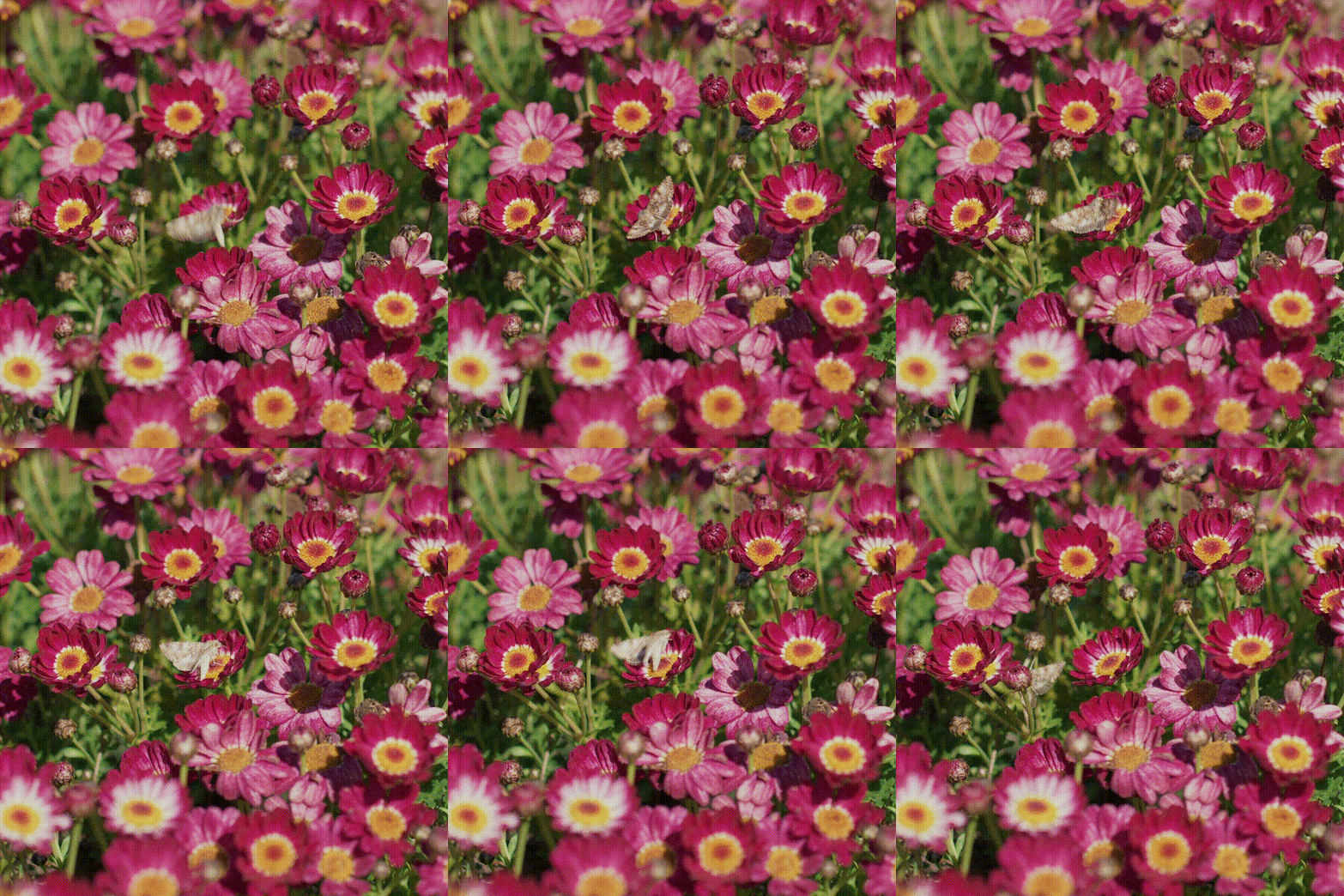
Moth Feeding on Marguerite Daisy at Tungkillo, South Australia Patrick Prior
This small bush started its life in a pot at Magill, South Australia and was apprehensively transported to Tungkillo in 2024 where it was planted in its forever home. Since then, this bush has flourished and become the most beloved pollen centre on the property for all types of bugs. Moths, bees, flies, butterflies, you name it! Although the Marguerite Daisy (Argyranthemum frutescens) is native to the Canary Islands, it provides Australian pollinators with a year-round food supply.
The moth pictured, possibly a Native Budworm moth (Helicoverpa punctigera), is a pesky critter as it can devastate crops such as pulse, canola and more. It is known to lay eggs on flowering plants which are then used as a food source for its young caterpillars when they hatch. During heavy winter rains, the bloom in flowers can increase the Budworm moth population rapidly, causing a massive migration at heights from a couple hundred to a thousand metres above the ground where they can catch wind currents to take them to fresh greenery for their young to be laid. Travelling up to 1000km in a night, these moths can invade crops en masse in only a couple of days making them a huge pest for farmers.