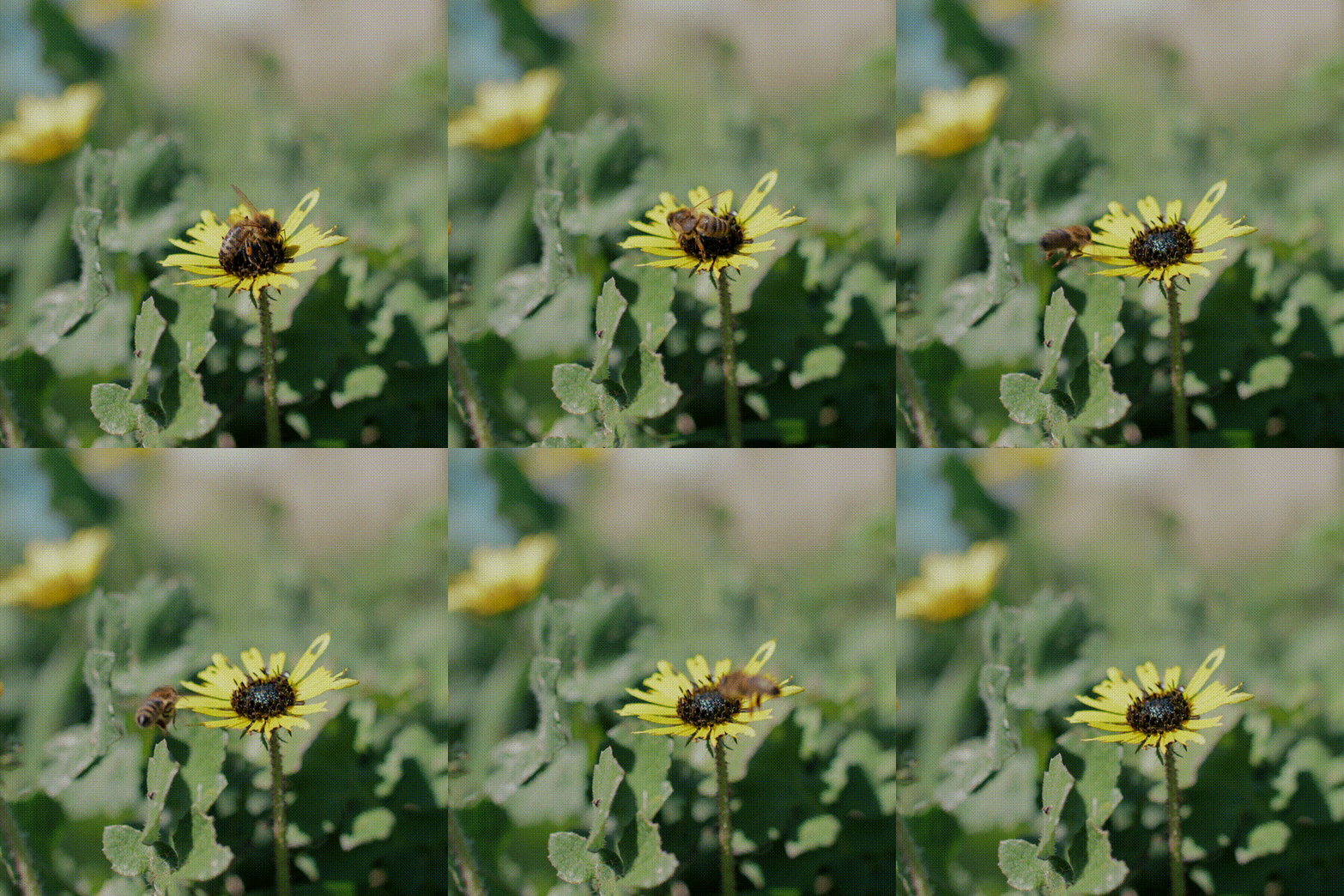
European Honey Bee Foraging on Capeweed in South Australia Patrick Prior
The presence of the Western or European Honey Bee (Apis mellifera) is a joy to farmers, but a nuisance to the native Australian bees. While these honey bees are fantastic for harvesting honey and indiscriminately pollinating any flower they encounter, these bees wake up from the colder months earlier than many species of the native Australian bees and strip the pollen from the flowers before the natives wake up. The fuzzy legs lack the large bright orange pollen basket (Corbicula) that is typically seen on a honey bee, but this does not mean it has not been efficient in its pollen collecting duties. These honey bees have a "honey stomach" which is hidden from view.
Despite its beauty and associated positivity that we have created, these European Honey Bees could be devastating for Australia's native bee population alongside with habitat loss. The pollination that any bee provides is irrefutably vital to the wider ecosystem, even if that pollination is just of a Capeweed flower or Cape Dandelion (Arctotheca calendula).