Southern pine tree plantation Leesa Baldwin
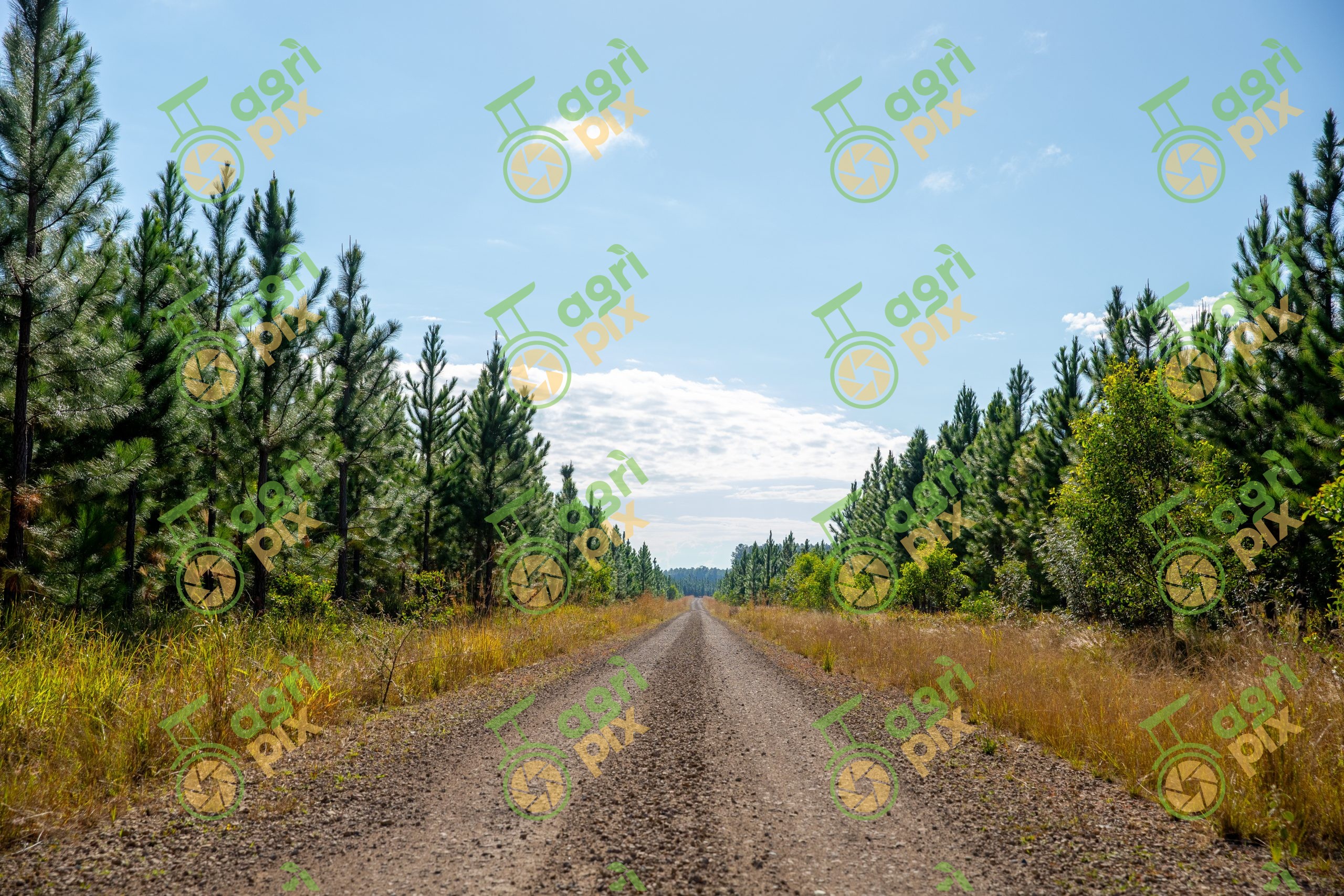
A long gravel forestry road stretches toward the horizon through a plantation of Southern Pines in Queensland, creating a strong sense of depth and perspective. Rows of evenly spaced trees line both sides of the road, their dense green foliage contrasting with the dry grasses and native vegetation growing beneath the canopy. The straight alignment of the plantation reflects the careful planning and management that underpin modern forestry operations. Soft sunlight illuminates the scene, highlighting the uniform growth of the trees and the scale of the plantation landscape. The image captures both the order and productivity of a managed forest, where decades of planning, cultivation and stewardship contribute to a renewable resource industry.
Queensland's plantation forests play a vital role in supplying sustainably grown timber for construction, manufacturing, packaging and paper products. Southern pines, including Slash Pine (Pinus elliottii) and Loblolly Pine (Pinus taeda), are widely grown in the state's coastal and sub-coastal regions because of their adaptability, rapid growth and timber quality. Large plantation estates support regional employment, processing industries and long-term investment in rural communities.
Modern plantation forestry is increasingly focused on balancing timber production with environmental outcomes, including carbon storage, soil conservation, water management and biodiversity protection. These managed forests form an important part of Queensland's renewable resources sector and contribute significantly to Australia's sustainable timber supply.