
It was time to burn as I visited a mate’s sugar cane farm late last year in the Burdekin, North Queensland. The harvest was on.
(Originally posted June ’26)
Farmer Annie gave me a guided tour of their property in a muddy side-by-side and shared her knowledge of cane farming, including the sustainable practices they’re introducing to reduce nutrient run-off and improve water efficiency.
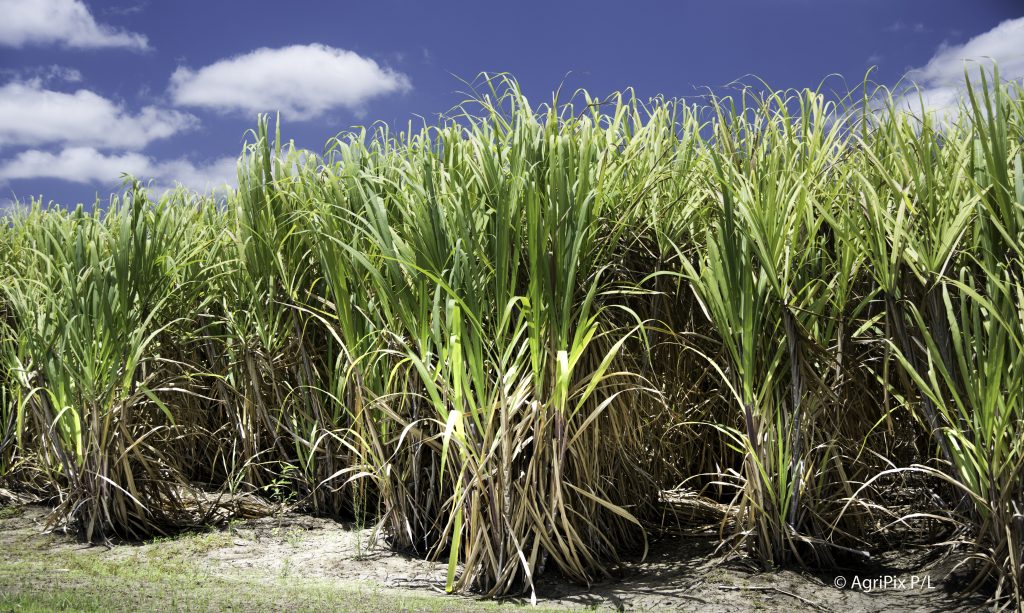
In the irrigated fields of the Burdekin, cane produces heavy trash (leaf build-up), which is still burned pre-harvest to aid machinery, unlike most other Aussie cane growing regions.
Unfortunately for me, my chances of getting exciting nighttime shots of a roaring cane burn were dashed – because they usually have their burns during the day (it’s easier than stumbling around in the dark, and dodging snakes).
I still learned a few things:
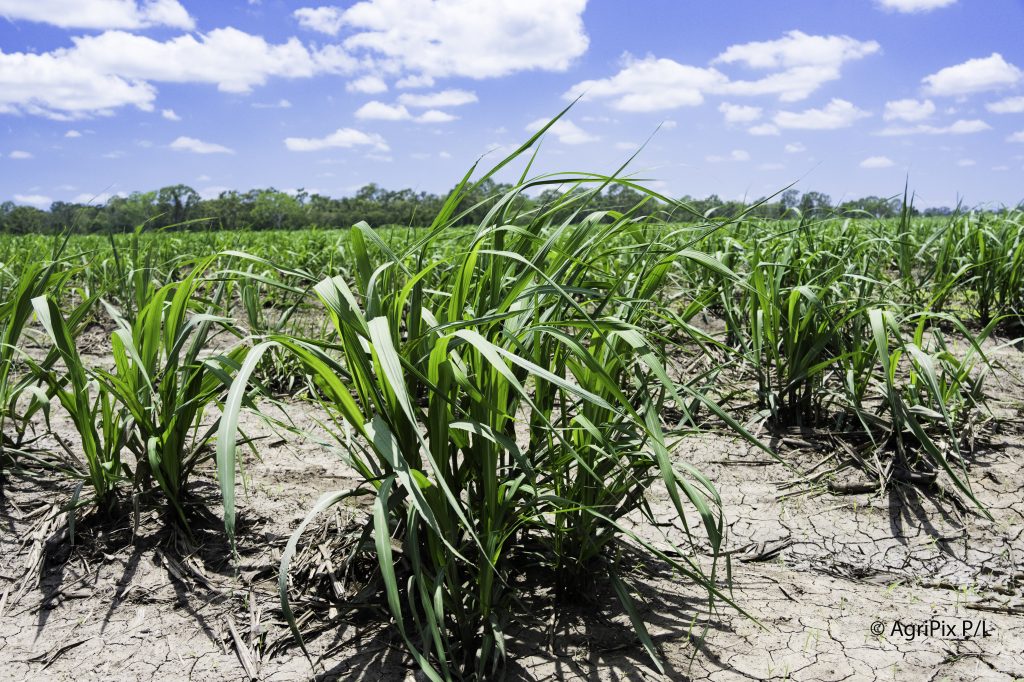
-Cane is a ratooning crop, regrowing after harvest for up to 5–6 years, but becomes less productive after two or three.
-It’s planted from mature stalk sections called setts or billets.
-Sugar cane is a tropical grass, related to corn and forage sorghum (which is why I was so confused in my previous post: Is it cane or corn, or something else?).
Annie explained how they are growing a combination of different sugar cane sub-varietals known by code names like: KQ228 and STA32, developed by research organisations such as Sugar Research Australia (SRA).
Experimenting with different varietals helps them identify better yielding varieties that need less water and fertiliser.
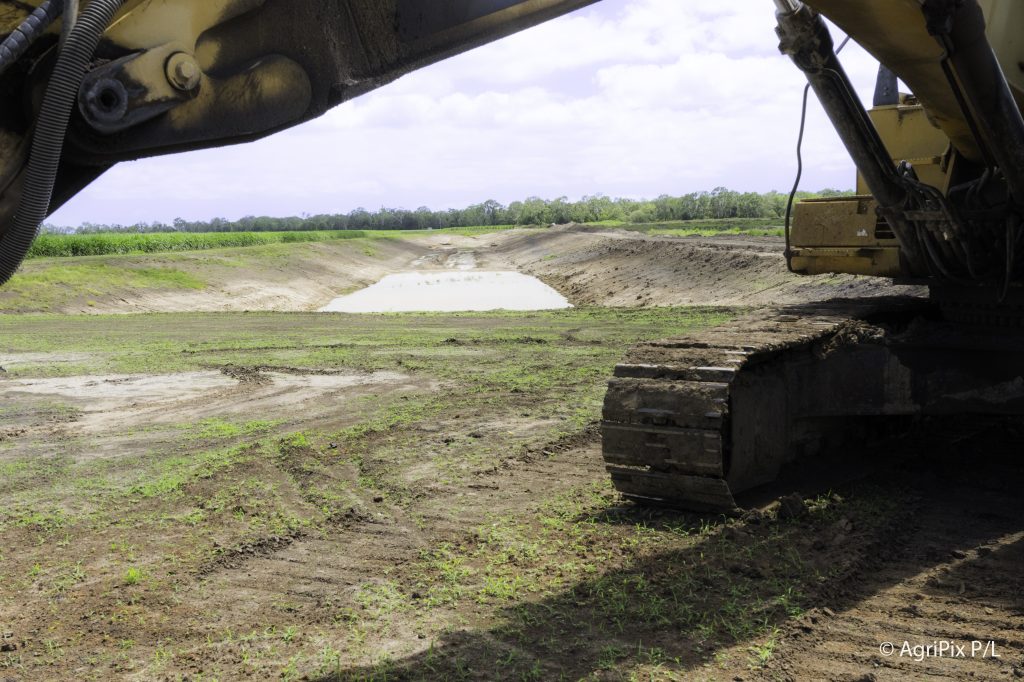
Annie also pointed out the filtration dams they’ve dug to capture run-off which can then be recycled, reducing their demand on irrigation.
The dams also help minimise nutrient flows into waterways.
This visit reminded me why AgriPix matters: not just to share images, but to tell the stories behind them–of innovation, sustainability, and life on the land.
Stay tuned–more farm visits and insights coming soon.
[Images: mature cane with heavy trash ready to be burned; one of the filtration dams to recycle water and reduce run-off; one month old ratoon cane crop]
We respect and honour Aboriginal and Torres Strait Islander Elders past, present and future. We acknowledge the stories, traditions and living cultures of Aboriginal and Torres Strait Islander peoples on this land and commit to building a brighter future together.
AgriPix® is a registered trademark of AgriPix Pty Ltd in Australia.